In our increasingly busy world, finding ways to streamline meal preparation without compromising on health or taste has become a top priority. For those following a plant-based diet, the concept of freezable vegetarian meals offers an elegant solution. Not only do these make-ahead dishes simplify your weekly routine, but they also empower you to eat well, reduce food waste, and save money. This article delves deeper into the world of freezer-friendly vegetarian cooking, exploring essential techniques, top meal categories, and practical tips to master this convenient approach.
Why Embrace Freezable Vegetarian Meals?
The benefits of incorporating freezable vegetarian meals into your lifestyle extend far beyond mere convenience. They represent a strategic approach to modern eating that aligns with health, financial, and environmental goals.
- Time-Saving: The most immediate advantage is the significant reduction in daily cooking time. Batch-cooking on a weekend means quick, healthy meals are just a reheat away during hectic weekdays. This frees up precious evening hours for other activities or relaxation.
- Cost-Effective: By buying ingredients in bulk and cooking larger quantities, you can often save money. Freezing also prevents food from spoiling, reducing waste and ensuring your grocery budget stretches further.
- Healthier Eating: Having nutritious, homemade meals readily available discourages last-minute takeaways or unhealthy convenience foods. You have full control over ingredients, allowing you to prioritize fresh, whole foods and minimize processed components, making these freezable vegetarian meals a cornerstone of a healthy diet.
- Reduced Food Waste: Freezing is an excellent way to preserve surplus ingredients or leftover portions that might otherwise go bad. This mindful approach benefits both your wallet and the planet.
- Stress Reduction: The mental load of planning and preparing meals every day can be immense. Knowing you have delicious, wholesome options waiting in the freezer brings a sense of calm and control to your daily routine.
Embracing the strategy of preparing freezable vegetarian meals is not just about cooking; it's about smart living. If you're looking for an introductory guide to starting your journey with freezable vegetarian meals - Article 1, be sure to check out our previous article for foundational advice.
Essential Freezing Techniques for Vegetarian Dishes
To truly unlock the potential of your freezer, understanding proper freezing techniques is crucial. These steps ensure your freezable vegetarian meals maintain their quality, flavor, and safety upon reheating.
Choosing the Right Containers
The container you choose plays a significant role in how well your food freezes and thaws. Always opt for freezer-safe containers that are:
- Airtight: This is paramount to prevent freezer burn, which occurs when food is exposed to air, leading to dehydration and changes in texture and flavor. Glass containers with airtight lids, heavy-duty freezer bags (remove as much air as possible), and vacuum-seal bags are excellent choices.
- Durable: Containers should withstand extreme cold without cracking.
- Portion-Sized: Freeze meals in individual or family-sized portions that make sense for your household. This avoids needing to thaw a huge batch when you only need one serving. Muffin tins are great for freezing individual portions of sauces, purees, or even cooked grains, which can then be transferred to a freezer bag once solid.
Proper Cooling is Key
Before any food goes into the freezer, it must be cooled completely. Placing hot food directly into the freezer can raise the temperature of other frozen items, potentially leading to partial thawing and refreezing, which degrades food quality and can be a food safety risk. It also creates excess condensation, leading to more ice crystals and freezer burn.
- Rapid Cooling: Divide large batches into smaller, shallow containers to speed up the cooling process. You can also place the container in an ice bath.
- Ventilation: Ensure air can circulate around the cooling food. Once cooled to room temperature (within two hours), transfer to the freezer.
Labeling and Dating
This step might seem minor, but it's incredibly important for organization and food safety. Always label your freezable vegetarian meals with:
- Contents: What exactly is in the container (e.g., "Lentil Soup," "Black Bean Burgers").
- Date Frozen: Most vegetarian dishes maintain optimal quality for 3-6 months in the freezer. Knowing the date helps you rotate your stock and prevent food from being forgotten.
Use permanent markers or freezer labels that won't smudge or fall off in the cold.
Thawing and Reheating Best Practices
How you thaw and reheat your freezable vegetarian meals can make all the difference in taste and texture.
- Refrigerator Thaw (Recommended): The safest method is to transfer your frozen meal to the refrigerator 24-48 hours before you plan to eat it. This allows for a slow, even thaw.
- Cold Water Thaw: For quicker thawing, place the sealed freezer bag or container in a bowl of cold water, changing the water every 30 minutes until thawed.
- Microwave Thaw: Use the defrost setting for rapid thawing, but be sure to cook immediately afterward as partial cooking may occur.
- Reheating: Most meals can be reheated in the microwave, on the stovetop, or in the oven. Ensure food is heated through to an internal temperature of 165°F (74°C) to kill any potential bacteria. Adding a splash of water or vegetable broth can help rehydrate dishes like curries or stews that might have dried out slightly.
Top Categories of Freezable Vegetarian Meals
The versatility of vegetarian ingredients means a vast array of dishes lend themselves beautifully to freezing. Here are some of the most reliable categories to get you started with your freezable vegetarian meals prep:
Hearty Soups and Stews
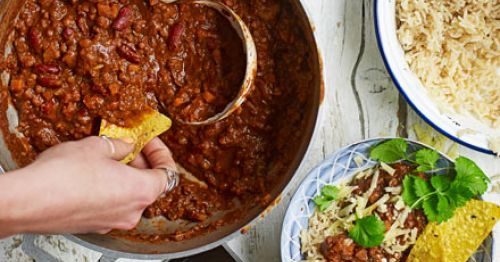
Soups and stews are perhaps the quintessential freezer-friendly meal. Their liquid base helps protect ingredients from freezer burn, and flavors often deepen after freezing and reheating. Think lentil soup, black bean chili, minestrone (hold off on adding pasta until reheating for best texture), creamy tomato soup, or root vegetable stew. Avoid freezing dishes with delicate leafy greens or potatoes if you want to maintain perfect texture, as they can become mushy (though perfectly edible!).
Curries and Sauces
Rich, flavorful curries and robust pasta sauces are excellent candidates for freezing. Indian-inspired chickpea and spinach curries, Thai red or green curries (without coconut milk added until reheating for better texture), or hearty marinara sauce can be made in large batches. These can then be thawed and served over freshly cooked rice, pasta, or alongside naan bread, providing a quick and satisfying meal with minimal effort. This category is particularly fantastic for busy weeknights.
Casseroles and Bakes
Lasagnas, shepherd's pies (made with a lentil and vegetable base topped with mashed sweet potato or regular potato), and baked ziti are ideal for assembling ahead of time. You can either bake them completely, cool, and freeze, or assemble them unbaked and freeze, then bake from frozen (adding extra baking time) when ready to eat. These are perfect for family dinners or entertaining, offering substantial and comforting freezable vegetarian meals.
Burritos and Wraps
Individual portion powerhouses! Breakfast burritos filled with scrambled tofu, black beans, and salsa, or dinner burritos packed with seasoned rice, beans, corn, and peppers, freeze wonderfully. Wrap them tightly in foil or parchment paper and then place them in a freezer bag. They can be reheated in the microwave or oven for a quick, grab-and-go meal. This is an excellent way to ensure you always have a healthy, convenient option at hand.
Grain Bowls and Components
While a fully assembled grain bowl might not freeze well, its components certainly do. Cook large batches of quinoa, brown rice, or farro and freeze them in individual portions. Likewise, roasted vegetables like sweet potatoes, broccoli, or bell peppers can be frozen after cooling. Even homemade veggie burgers or falafel patties can be prepped and frozen. When you're ready for a meal, simply thaw your grain, reheat your veggies/patties, and add fresh toppings like avocado, salsa, or a drizzle of dressing for a vibrant, customized meal. For even more advanced tips and creative recipes that utilize these components, don't miss freezable vegetarian meals - Article 3.
Mastering freezable vegetarian meals is a game-changer for anyone seeking a more efficient, healthier, and less stressful approach to cooking. By implementing proper freezing techniques and focusing on dishes that truly shine after thawing, you can stock your freezer with a diverse array of delicious, homemade options. Embrace the power of batch cooking and discover the freedom that comes with having nutritious, plant-based meals always at the ready. Your future self will thank you!
