Mastering Meal Prep: Your Guide to Delicious and Healthy Freezable Vegetarian Meals
In today's fast-paced world, finding time to cook healthy and satisfying meals can often feel like a juggling act. For vegetarians, the challenge can sometimes seem even greater, with a perception that plant-based options require more fresh preparation. However, there's a game-changing solution that allows you to enjoy nutritious, flavourful, and convenient vegetarian dishes even on your busiest days: freezable vegetarian meals. Imagine coming home after a long day to a ready-made, wholesome dinner that only requires a quick reheat. This isn't just a dream; it's a practical reality that can transform your eating habits, save you money, and significantly reduce your kitchen stress.
This comprehensive guide will walk you through the incredible benefits of preparing and freezing vegetarian meals, offer an array of delicious recipes perfect for the freezer, and provide essential tips for successful freezing and reheating. Get ready to embrace the convenience and culinary joy that comes with a well-stocked freezer full of plant-based goodness.
The Unbeatable Benefits of Freezing Vegetarian Meals
Adopting a strategy of preparing and freezing vegetarian meals offers a multitude of advantages that extend far beyond simple convenience. It's a holistic approach to managing your diet, budget, and time effectively.
Mastering Meal Prep for a Stress-Free Week
- Time-Saving & Efficiency: The most immediate benefit is the sheer amount of time you reclaim during the week. Dedicating a few hours on a weekend to cook in bulk means less daily cooking, fewer dishes, and more free time in the evenings. This consistency is key to making meal prep a sustainable habit.
- Reduced Decision Fatigue: When healthy, delicious meals are readily available, you eliminate the daily dilemma of "what's for dinner?" This reduces mental load and helps you stick to your dietary goals without needing willpower every single night.
- Consistent Healthy Eating: Having nutritious freezable vegetarian meals on hand makes it far easier to avoid unhealthy takeout or impulse purchases. You're more likely to eat well when the healthy option is the easiest one.
Health and Budgetary Advantages
- Cost-Effectiveness: Cooking in larger batches allows you to buy ingredients in bulk, which often comes with significant savings. You also drastically cut down on food waste by utilizing all your produce and leftovers, making your grocery budget stretch further.
- Nutritional Control: When you prepare your own freezable vegetarian meals, you have complete control over the ingredients, portion sizes, and cooking methods. This means less hidden sodium, unhealthy fats, and artificial additives often found in store-bought options or restaurant food. You can tailor meals to your specific dietary needs and preferences.
- Dietary Variety: Freezing allows you to diversify your weekly menu. Instead of eating the same meal repeatedly, you can freeze several different dishes and rotate them throughout the month, preventing meal boredom. For even more diverse recipe ideas, explore more options like those found in freezable vegetarian meals - Article 2.
Top Freezable Vegetarian Meals to Stock Your Freezer
The world of freezable vegetarian meals is vast and delicious. Here are some categories and specific ideas that excel in the freezer, maintaining their taste and texture beautifully.
Hearty Soups and Stews
Soups and stews are perhaps the champions of freezer-friendly meals. They often taste even better after freezing as flavours have more time to meld. Think about:
- Lentil Soup: Rich, protein-packed, and incredibly satisfying.
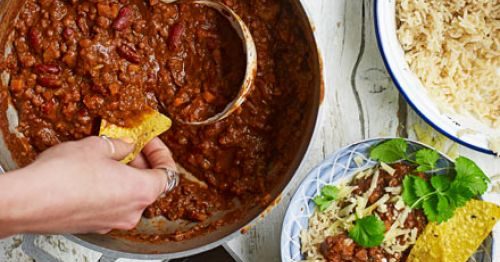
- Vegetarian Chili: A hearty staple that's perfect for a crowd or individual portions.
- Minestrone or Vegetable Stew: Load it with root vegetables and legumes for a comforting meal.
- Curries: Most vegetable and lentil curries freeze exceptionally well, especially those with coconut milk bases.
Wholesome Casseroles and Bakes
Casseroles are ideal because they can be assembled, frozen, and then baked directly from frozen (or thawed first). They are perfect for family dinners or entertaining.
- Vegetarian Lasagna/Baked Ziti: Layers of pasta, rich tomato sauce, ricotta, and spinach hold up beautifully. Assemble completely, then freeze unbaked or baked.
- Shepherd's Pie (Lentil or Mushroom): A comforting classic with a mashed potato topping, swap the meat for a savoury lentil, mushroom, and vegetable base.
- Enchilada Casserole: Layer corn tortillas, beans, veggies, and sauce for a flavourful, easy-to-reheat meal.
Grab-and-Go Options for Busy Days
For those mornings or lunches when you're truly pressed for time, having individual portions ready to go is a lifesaver.
- Breakfast Burritos: Fill tortillas with scrambled eggs (or tofu scramble), beans, cheese, and salsa. Wrap individually and freeze.
- Veggie Burgers/Meatballs: Prepare a batch of your favorite homemade veggie burgers or plant-based meatballs. Cook, cool, and freeze individually for quick additions to buns, salads, or pasta.
- Muffins and Scones: Savory muffins (e.g., spinach and feta) or sweet options (e.g., blueberry) can be baked and frozen for quick breakfasts or snacks.
For more specific recipes and detailed cooking instructions, be sure to check out freezable vegetarian meals - Article 3, which dives deeper into recipe ideas that are perfectly suited for your freezer.
Best Practices for Freezing and Reheating
To ensure your freezable vegetarian meals retain their quality, flavour, and safety, understanding the correct freezing and reheating techniques is crucial.
Essential Freezing Techniques
- Cool Completely: Always ensure your food is completely cooled to room temperature before freezing. Placing hot food directly into the freezer can raise the freezer's temperature, partially thaw other items, and lead to ice crystal formation that degrades texture.
- Use Freezer-Safe Containers: Invest in high-quality, airtight, freezer-safe containers. Glass containers, sturdy plastic containers, or heavy-duty freezer bags are excellent choices. Remove as much air as possible to prevent freezer burn.
- Portion Control: Freeze meals in individual or family-sized portions that make sense for your household. This allows you to thaw only what you need, reducing waste.
- Label Everything: A well-organized freezer is a happy freezer. Label each container or bag with the dish's name and the date it was frozen. Most vegetarian meals are best consumed within 3-6 months.
- Avoid Overfilling: Leave some headspace in containers (about an inch) as liquids expand when frozen.
Safe Thawing and Reheating
- Thaw Safely: The safest way to thaw frozen meals is in the refrigerator overnight. For quicker thawing, you can use the defrost setting on your microwave or place the sealed container under cold running water. Never thaw at room temperature.
- Reheat Thoroughly: Always reheat freezable vegetarian meals until they are steaming hot throughout (reaching an internal temperature of 165°F or 74°C) to ensure food safety.
- Reheating Methods:
- Oven: Great for casseroles, lasagnas, or baked dishes. Cover with foil to prevent drying out, then uncover for the last few minutes to brown.
- Microwave: Ideal for individual portions of soups, stews, or smaller dishes. Stir halfway through for even heating.
- Stovetop: Best for soups, stews, and curries. Add a splash of water or broth if needed to restore consistency.
Tips for Making Your Freezable Vegetarian Meals Delicious
While most vegetarian dishes freeze well, a few simple tips can elevate your frozen meals from merely convenient to truly delightful.
Flavor Boosters and Texture Keepers
- Choose Wisely: Some ingredients fare better in the freezer than others. Legumes, grains, root vegetables, hardy greens (like kale and spinach), and most sauces freeze exceptionally well. Ingredients like delicate lettuce, raw tomatoes, or overly creamy sauces (which can separate) might lose their appeal. If a recipe calls for fresh herbs, add them after reheating.
- Slightly Undercook Pasta/Rice: If you're freezing a dish with pasta or rice (e.g., a baked ziti or a rice casserole), slightly undercook them before freezing. They will finish cooking upon reheating, preventing them from becoming mushy.
- Season Generously: Flavours can become a little muted after freezing and reheating. Don't be afraid to season your dishes generously before freezing, and always taste and adjust seasonings (salt, pepper, herbs, spices) after reheating.
- Add Freshness Post-Thaw: To revive a frozen meal, add fresh elements after reheating. A sprinkle of fresh herbs (cilantro, parsley), a squeeze of lemon or lime juice, a dollop of yogurt or sour cream, or some freshly chopped green onions can make a huge difference in brightness and texture.
- Fat is Your Friend (in moderation): A little healthy fat (like olive oil or coconut milk) can help maintain texture and flavour during freezing and reheating.
Conclusion
Embracing freezable vegetarian meals is a powerful strategy for anyone looking to eat healthier, save time, and manage their budget more effectively. From hearty soups and stews to comforting casseroles and convenient grab-and-go options, the possibilities are endless. By following proper freezing and reheating techniques, and incorporating a few culinary tricks, you can ensure that every meal from your freezer is as delicious and nutritious as if it were freshly made. So, take control of your kitchen, unleash your inner meal-prep maestro, and discover the incredible freedom and flavour that a well-stocked freezer of vegetarian goodness can bring to your life.
